In short:
- Avoiding knee replacement usually isn’t one decision, it’s a combination of daily habits and treatment choices.
- The biggest levers: strengthening the muscles around the knee, managing weight, avoiding movements that aggravate the joint, and treating inflammation directly.
- Fast pain relief and long-term joint health aren’t the same goal, some quick fixes don’t help long-term, and some long-term strategies won’t feel fast.
- Rockwell Pain Management’s non-invasive technology (shockwave, EMTT, laser) can be part of this plan, treating inflammation without surgery or opioids.
- This is different from CPC-B-002 (knee replacement alternatives overview), this post is about day-to-day management once you’ve decided to try to avoid surgery.

Avoiding knee replacement isn’t usually about one big decision, it’s a handful of smaller ones that add up: what you do daily, what you avoid, and what treatment you use to manage inflammation along the way.
Strengthen what supports the joint
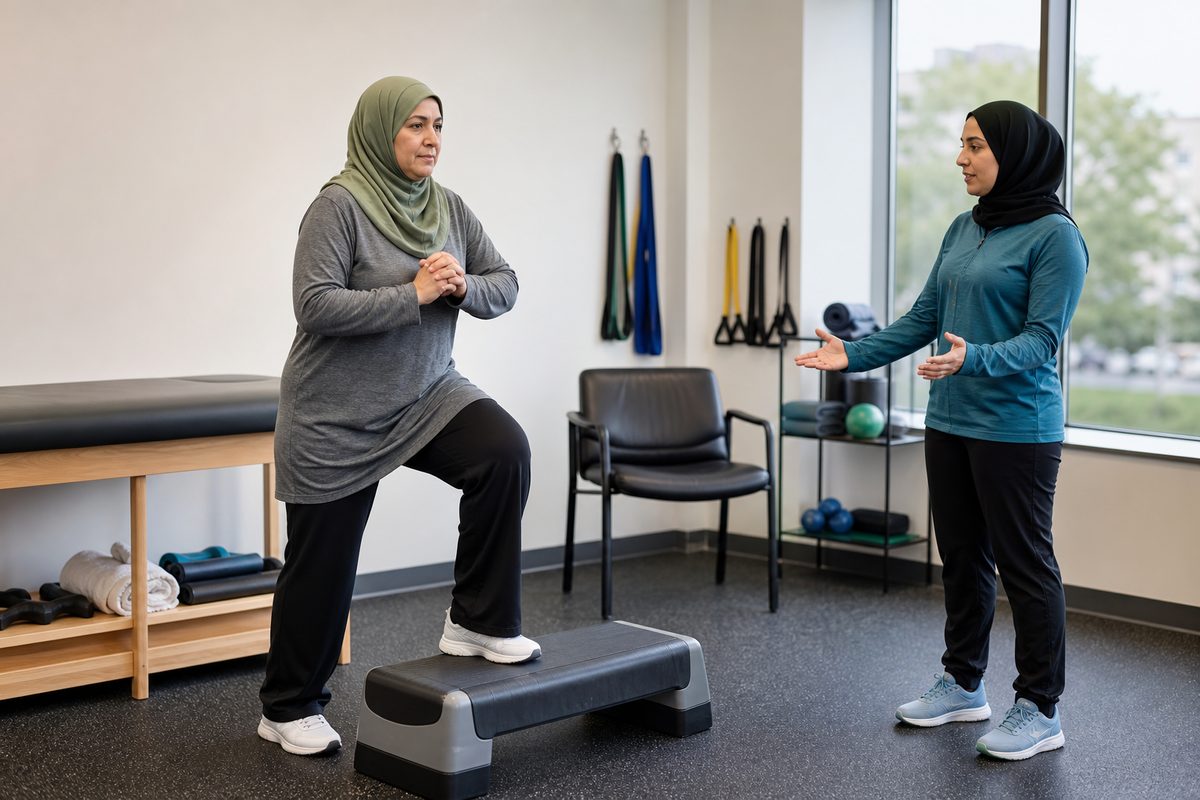
The muscles around your knee, especially the quadriceps and hamstrings, help absorb load the joint would otherwise take on its own. Targeted strengthening, even a modest amount, can meaningfully reduce day-to-day pain and slow the pace of decline. This isn’t about intense training, it’s about consistency.
Know what to avoid
Not every exercise helps a painful knee. High-impact activity (running on hard surfaces, deep squats, repetitive stair climbing) can aggravate an already irritated joint. That doesn’t mean sitting still, it means choosing lower-impact ways to stay active: swimming, cycling, and controlled strength work tend to be better tolerated.
Manage the load
Body weight has an outsized effect on knee pain, every pound lost reduces multiple pounds of pressure through the joint with each step. This isn’t about a number on a scale, it’s about reducing the mechanical load your knee has to absorb all day, every day.
Treat the inflammation directly
Pain often isn’t just wear and tear, it’s active inflammation. Managing that inflammation, whether through ice, activity modification, or technology-based treatment, can meaningfully change how the joint feels day to day, sometimes enough to change the surgery conversation entirely.
This is where Rockwell Pain Management’s approach fits: shockwave and EMTT therapy work on inflammation and tissue healing directly, without needles, surgery, or opioids. It’s not guaranteed to eliminate the need for replacement, but for many patients it changes the timeline, and sometimes the decision itself.
When avoiding surgery isn’t the right call
Being honest here matters: for some patients, especially with severe, advanced joint damage, replacement genuinely is the right long-term answer, and delaying it can mean more pain and more lost function in the meantime. The goal of this post isn’t to talk anyone out of surgery, it’s to make sure you’ve actually tried what’s available before deciding.
Frequently Asked Questions
How to get rid of knee pain fast?
Fast relief usually comes from reducing inflammation and load: ice, rest from aggravating activity, and, for many patients, non-invasive technology like shockwave or EMTT that directly targets inflammation. Fast relief and long-term joint health aren’t always the same thing, a plan that addresses both matters more than a quick fix alone.
What are natural remedies for knee pain?
Common non-drug approaches include ice or heat, gentle movement and stretching, weight management, and activity modification to avoid aggravating positions. These help many patients, but “natural” doesn’t mean risk-free or universally effective, what works varies by the underlying cause of the pain.
What exercises should I avoid with knee pain?
High-impact movements, deep squats, repetitive stair climbing, and running on hard surfaces tend to aggravate an already painful knee. Lower-impact options like swimming, cycling, and controlled strength work are generally better tolerated, but this varies by individual, ask your provider what’s appropriate for your specific knee.
Can self massage help with knee pain?
Self massage around (not directly on) a painful joint can help with muscle tightness and circulation for some patients, but it doesn’t address underlying joint inflammation or structural issues. It’s a reasonable complement to other treatment, not a standalone fix.
What is the newest treatment for knee pain?
Non-invasive technology like EMTT (Electromagnetic Transduction Therapy) and shockwave therapy represent newer, non-drug, non-surgical approaches to treating inflammation and pain directly. These aren’t a replacement for a proper diagnosis, but they’ve become a meaningful option alongside more established approaches like physical therapy and injections.
What is the fastest way to relieve knee pain?
For acute flare-ups, rest and ice provide the fastest short-term relief. For more lasting change, treatments that address inflammation directly, whether through physical therapy, technology like shockwave and EMTT, or other approaches, tend to make a bigger difference than short-term measures alone.